Dead parents everywhere
It seems to be an unspoken truth that if you want your kid to have a meaningful literary experience, the first ingredient is for the parents to die.
Or at a minimum a beloved sibling needs to tragically succumb to a devastating illness.
It feels like a prerequisite. And you don’t have to look very hard to find a bunch of dead adults.
Harry Potter? Dead parents.
Anne of Green Gables? Orphan.
James and the Giant Peach? Parents. Dead. And not in a car crash or something mildly tragic. Killed by a rhinoceros.
Even Matilda, whose parents are alive and the actual worst, might have been better off with dead parents.

Some pretty covers of books all featuring dead parents 😉
We could keep going. And I’m not even going to start with Disney movies—dead parents galore.
Two loving living parents seem incompatible with a great literary adventure.
And apparently nobody knows this better than the Irish?
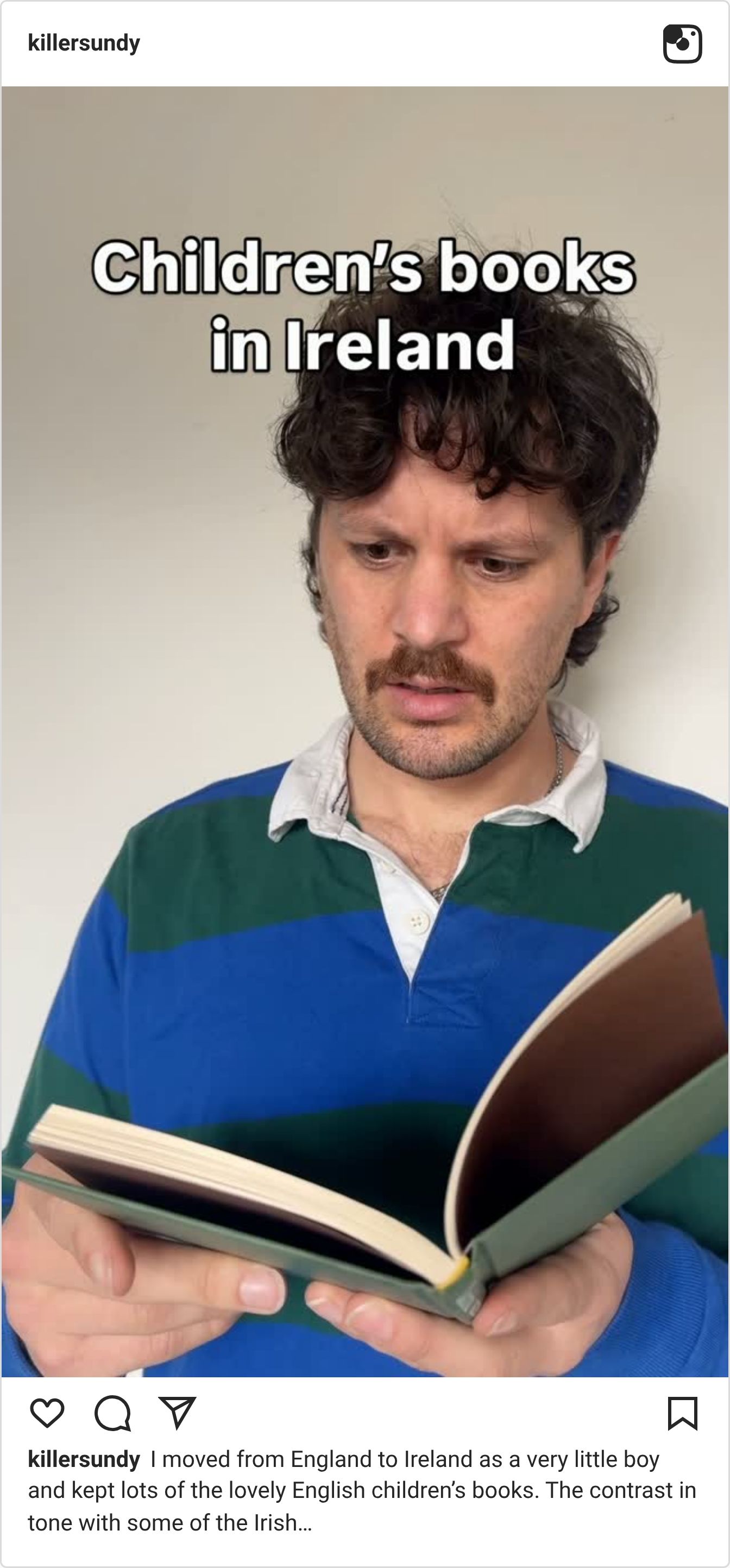
But why must they all die?
Many of you know, I’m editing my debut middle grade novel featuring, you guessed it, a dead mom.
But in the process of realizing I’m 42 and have no business being a published author, I enrolled in a writing course (shoutout to thenovelry.com which is the actual best).
And here’s the number one piece of advice I’ve learned.
you need to make it SUPER HARD for your main character
Give them something they desperately want. But then make it basically impossible. Then let them think they’re close. But TOO BAD, make it even worse.
And no book shows that better than Lemony Snicket’s A Series of Unfortunate Events.
When asked, “Did you worry about becoming orphaned when you were a kid? Did you worry something terrible had happened to your parents?”, the author said,
“I think it was more just a basic fantasy that I think nearly every child and probably most adults have which is what if I were all alone in the world?”
Parents it turns out are incredibly inconvenient to a good plot. They have this annoying tendency to give food, shelter, love, and emotional support.
And they insist you don’t talk to the weird witch in the woods.
But take the parents away, and suddenly the child has to make decisions. Solve problems. Take risks. Discover that they might be capable of more than they thought.
What does this have to do with our kids?
I’m going to be real with you. I had a semi-traumatic childhood, dead mom, addict dad, and a fire that burned most of my possessions. You know the hallmarks of good literary tragedy.
And I don’t think I’m particularly special in this regard. Plenty of us had super difficult things happen growing up.
There’s a BIG part of me that thinks that trauma is responsible for how resilient and capable I am.
But there’s a BIGGER part of me that wishes things had been different.
Which represents an interesting parenting dilemma.
I want my kids to be resilient, independent people. I want them to know that if they face difficult things, they will be ok.
But I would strongly prefer they don’t learn that the hard way.
And I suspect you feel the same. So how exactly do we thread that needle?
I don't know that there's a good answer. And I certainly don't think we need to manufacture adversity to build character.
But I've been wondering whether stories might offer something we can't.
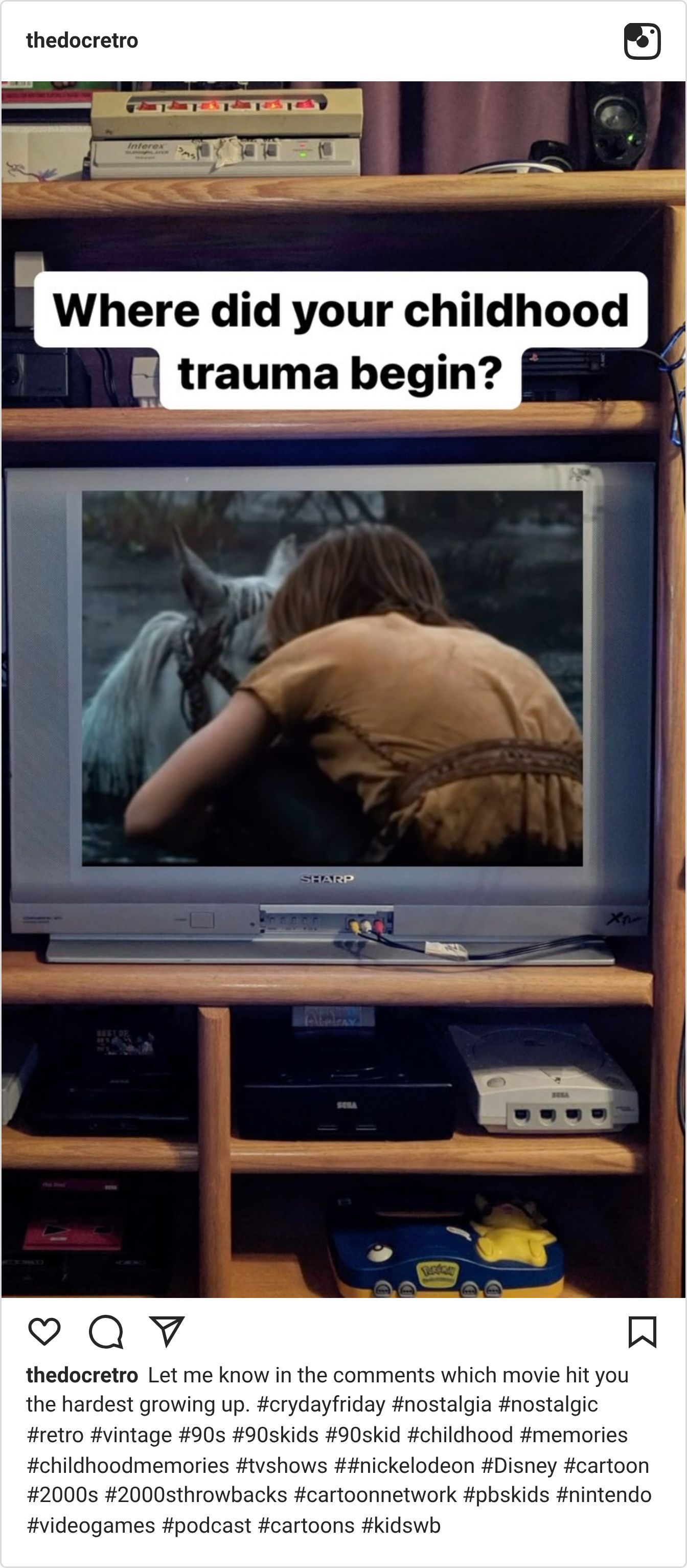
A chance for kids to experience what it feels like when things go terribly wrong, without those things actually happening to them. Like these millennial mainstays:
Which brings me to the decomposing woodland animals currently occupying my household.
My daughters’ love for rotting animals
Last week was the book fair at my kids’ school. I saw a book with a beautiful but kind of creepy cover, considered buying it, and ultimately decided it would probably scare my girls.
But then, my older daughter came home with it.
The Undead Fox of Deadwood Forest.
For those unfamiliar, a fox, who was hit by a car, shepherds dead animals toward Pain, Pleasure, Peace, and Progress. You know, the four alliterative destinations of the underworld.
Naturally, my seven-year-old wanted to read whatever her big sister was reading.
So now my older daughter is reading it out loud to her, and the two of them are absolutely obsessed.
I looked at the book and saw something that was too much.
They looked at it and saw something fascinating.
Which makes me wonder whether I/we underestimate kids’ capacity to engage with frightening things. Particularly when they're encountering them in a safe environment—like a book.
The strange comfort of terrible things
So go ahead. Let them read the slightly scary book you're not entirely sure they're ready for. Let them encounter danger, make terrible decisions with their favorite characters, and discover what happens when things go terribly, horribly wrong.
Be like @lrfriednmanauthor and let them watch Wildwood, even if the internet is divided.

Let them read about Dementors, even if they need to sleep with the lights on afterward (ahem, mine).
Obviously, you know your kid. There's a difference between a kid who's curious about something scary and one who's going to be really overwhelmed by it.
But maybe we should spend a little less time trying to remove every frightening thing from our kids stories and a little more time trusting them with it.
Because as we all know, the hard things in life don't wait until kids are ready.
And while a book can't prepare them for everything, it can give them a place to be afraid, to be brave, to face their fears, and to discover that the story continues even after something terrible happens.
For a few recommendations that I thought were too much, but my kids thought were just right, here are four favorites:

And if you want to buy one of these, with the profits going to a local bookshop (sorry Amazon), below are shoppable links*.
With you,
Rachael Classi
*Disclosure: I make a small commission as an affiliate on these sales.
